









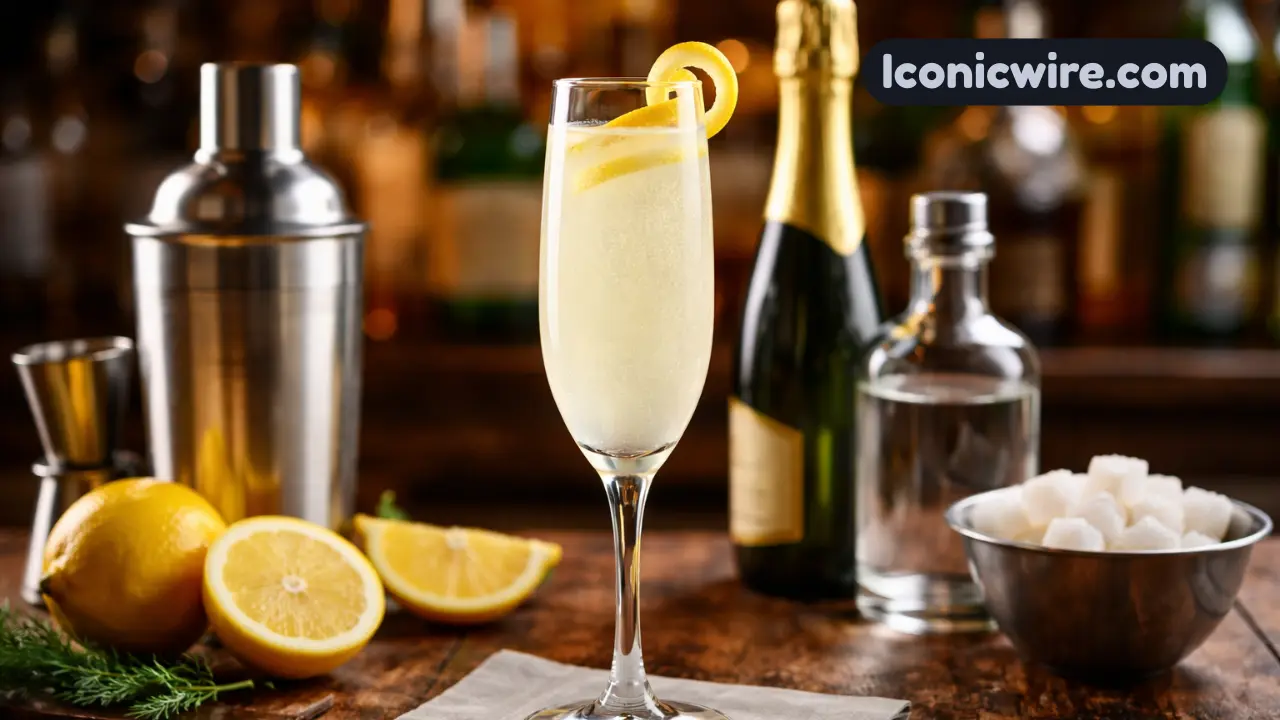
Cocktails often carry stories that reflect the time and culture in which they were created, and few drinks have a background as dramatic as the one explored in french 75 history. This sparkling cocktail, known for its refreshing taste and elegant presentation, traces its roots back to a period marked by conflict, innovation, and social change. Over the years, it has moved from military inspiration to celebration tables around the world.
Understanding french 75 history gives readers more than just a recipe; it reveals how historical events, changing tastes, and creative bartenders shaped one of the most recognizable drinks in cocktail culture. From early experimentation in European bars to modern popularity in restaurants and home gatherings, the journey of this cocktail reflects both tradition and evolution.
The Origins of the French 75
The earliest chapter in french 75 history begins during the early twentieth century, particularly around the time of World War I. The drink’s name was inspired by the French 75-millimeter field gun, a powerful artillery weapon known for its speed and impact. Soldiers and civilians alike admired the weapon’s precision and strength, and the cocktail was said to deliver a similar punch.
During this period, bartenders were experimenting with combinations of spirits, citrus, and sparkling wine. The result was a drink that felt lively, refreshing, and surprisingly strong. The association with the famous artillery gun made the name memorable, and it quickly became part of bar culture in Europe. This connection between military history and social drinking traditions remains one of the most fascinating elements of french 75 history.
Early Development in European Bars
Paris played a significant role in shaping the early identity of the drink. In the bustling nightlife scene of the early 1900s, bartenders welcomed travelers, artists, and soldiers returning from the front lines. These visitors brought new ideas, tastes, and stories, creating an environment where innovation thrived.
Within this atmosphere, the cocktail began to take on a more consistent form. Bartenders refined the balance between gin, lemon juice, sugar, and sparkling wine. The drink’s refreshing nature made it suitable for both casual gatherings and formal celebrations. As word spread about this exciting new beverage, it became a symbol of sophistication and modern style.
The popularity of the drink continued to grow, and the early experimentation recorded in french 75 history shows how creativity and cultural exchange helped shape its final version.
How the Recipe Evolved Over Time
One of the most interesting aspects of french 75 history is the gradual transformation of its ingredients. Early versions of the cocktail were not identical to what people enjoy today. Some recipes included brandy instead of gin, while others used different sweeteners or fruit flavors.
As bartenders shared their techniques and customers expressed preferences, the recipe became more standardized. The combination of gin, fresh lemon juice, simple syrup, and sparkling wine proved to be the most successful formula. This version delivered a balanced mix of sweetness, acidity, and bubbles, making it both refreshing and memorable.
Over time, the drink’s preparation method also became more refined. Shaking the base ingredients before adding sparkling wine ensured a smooth texture and consistent flavor. These small adjustments played a major role in establishing the modern identity of the cocktail.
The Spread of the French 75 to America
The movement of people between Europe and the United States helped introduce the drink to a wider audience. Travelers returning from overseas shared their experiences and brought new tastes with them. Bars in major cities quickly adopted the cocktail, adding it to their menus and promoting it as a fashionable choice.
During the early twentieth century, American nightlife was expanding rapidly. Restaurants and clubs competed to offer unique drinks that would attract customers. The lively character of the cocktail made it an ideal addition to this growing entertainment scene.
As more bartenders learned about the drink and experimented with their own variations, its popularity increased. The growing demand recorded in french 75 history shows how quickly a local creation can become an international favorite when supported by creativity and social connection.
Cultural Significance and Symbolism
Beyond its flavor, the cocktail gained meaning as a symbol of celebration and resilience. People associated it with moments of victory, reunion, and joy after difficult times. This emotional connection helped strengthen its place in social traditions.
The drink also represented elegance and modern living. Its sparkling appearance and refreshing taste made it a popular choice at weddings, parties, and special events. Over time, it became linked with luxury and style, appearing in films, novels, and popular culture.
This cultural role is an important chapter in french 75 history because it shows how a simple beverage can reflect the values and experiences of a generation.
The Role of Bartenders in Shaping the Drink
Bartenders have always played a central role in the development of cocktail culture. Their willingness to experiment with ingredients and techniques helped transform the drink from a basic mixture into a refined classic. By adjusting measurements and presentation styles, they created versions that appealed to different audiences.
Some bartenders focused on enhancing the drink’s visual appeal by serving it in elegant glasses. Others emphasized flavor balance, carefully measuring each ingredient to achieve the perfect taste. These efforts contributed to the drink’s reputation for quality and consistency.
The dedication and creativity of these professionals remain a key element in french 75 history, demonstrating how skill and passion can elevate a simple recipe into a lasting tradition.
Modern Popularity and Global Recognition
Today, the cocktail is recognized around the world as a classic choice for celebrations and social gatherings. It appears on menus in restaurants, hotels, and bars across many countries. Its refreshing taste and simple preparation make it accessible to both professionals and home enthusiasts.
Modern drinkers appreciate the cocktail not only for its flavor but also for its historical background. Learning about its origins adds a sense of connection to the past, turning a casual drink into a meaningful experience.
The continued popularity recorded in french 75 history proves that tradition and innovation can exist side by side. While the recipe remains familiar, new variations continue to emerge, keeping the drink relevant for future generations.
Tips for Enjoying the French 75 Today
Although the drink has a long history, enjoying it does not require special training or rare ingredients. Many people prepare it at home using basic tools and fresh components. Choosing high-quality ingredients can make a noticeable difference in the final result.
Fresh lemon juice provides brightness and balance, while good sparkling wine adds a lively finish. Proper chilling also enhances the drinking experience, making the cocktail more refreshing and enjoyable.
These simple details help preserve the quality and tradition highlighted throughout french 75 history, ensuring that each serving reflects the care and craftsmanship of the original creators.
Why the French 75 Remains a Classic
Some drinks fade from popularity as tastes change, but this cocktail has maintained its reputation for more than a century. Its balanced flavor, elegant appearance, and memorable story continue to attract new fans.
The combination of history and taste gives the drink a timeless appeal. People enjoy sharing it during celebrations, quiet evenings, and social gatherings. Its versatility makes it suitable for many occasions, from formal dinners to casual parties.
This lasting popularity confirms the importance of french 75 history as a reminder that great ideas can endure when they bring people together and create memorable experiences.
Conclusion
The journey of this sparkling cocktail reflects a unique blend of history, creativity, and cultural influence. From its inspiration during wartime to its place in modern celebrations, the drink has traveled across continents and generations. Each stage of its development reveals how people adapt traditions to suit new environments and tastes.
Exploring french 75 history allows readers to appreciate not only the drink itself but also the stories behind it. Whether enjoyed at a festive event or prepared at home, the cocktail continues to represent celebration, resilience, and shared moments of joy. Its enduring presence in social life shows how a simple mixture of ingredients can become part of global tradition.
FAQs
What is the French 75 cocktail made of?
The drink typically includes gin, lemon juice, sugar, and sparkling wine. These ingredients create a refreshing and balanced flavor.
Why is it called the French 75?
The name comes from a powerful artillery gun used during World War I. The drink was considered strong and impactful, similar to the weapon.
Where did the French 75 originate?
The cocktail first gained popularity in European bars during the early twentieth century. Paris played a major role in shaping its early identity.
Is the French 75 still popular today?
Yes, it remains a widely recognized classic cocktail served in restaurants and homes around the world. Its refreshing taste keeps it relevant.
Can the French 75 be made with different spirits?
Some variations use brandy instead of gin. These alternatives offer a slightly different flavor while maintaining the drink’s traditional style.