








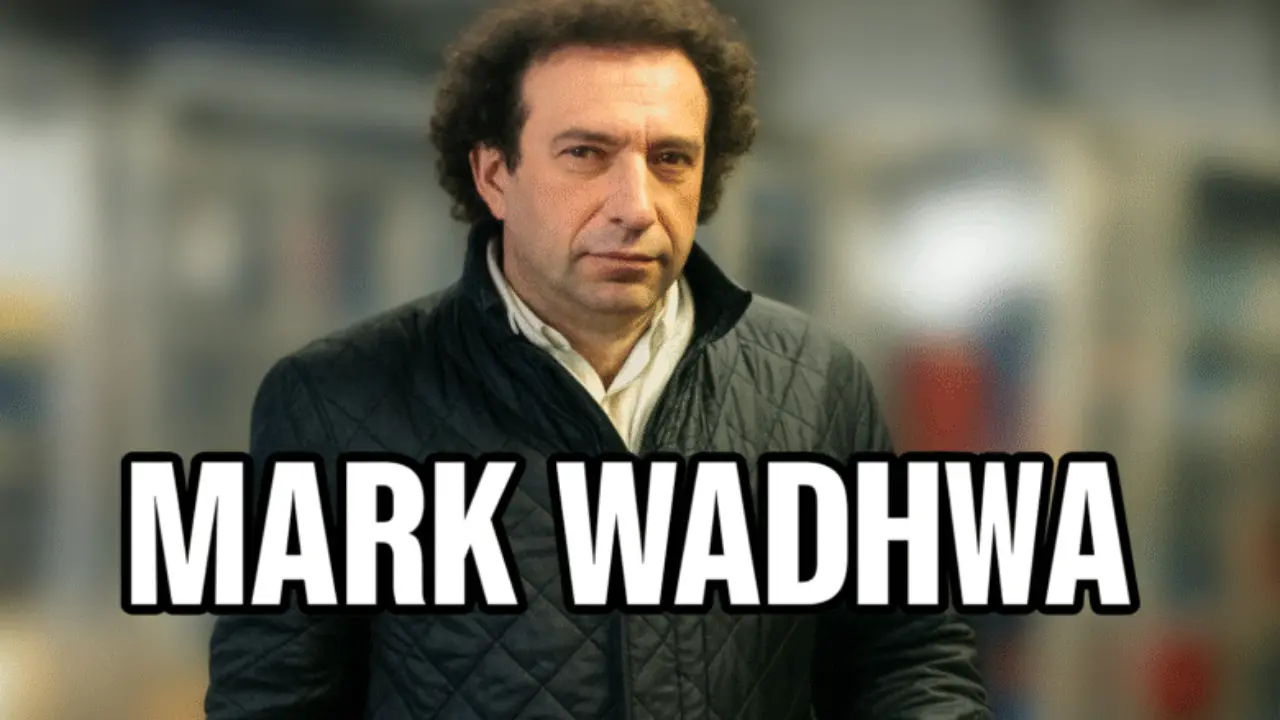
London’s creative landscape has changed significantly over the last two decades. Behind some of these changes is mark wadhwa, a developer whose work blends culture, architecture, and long-term thinking. Unlike traditional property figures, he focuses on how buildings can support creativity rather than simply generate profit.
His work has helped reshape how people think about urban regeneration. By preserving overlooked structures and filling them with creative life, he has created spaces that benefit artists, businesses, and the wider city.
Early Background and Professional Direction
Mark wadhwa was born in the United Kingdom in the early 1960s. He has always kept his early life private, which has added to the quiet nature of his public image. What is clear, however, is that his career did not follow a typical real estate path.
From the start, he showed strong interest in structure, planning, and long-term value. These qualities later helped him manage complex redevelopment projects. Instead of chasing fast returns, he focused on properties with cultural and architectural potential that others ignored.
This early mindset shaped the direction of his entire career.
A Philosophy Rooted in Culture
What separates mark wadhwa from conventional developers is his belief that buildings should serve people and culture. He does not see property as static. He sees it as something that evolves with the community inside it.
Rather than demolishing older structures, he chooses adaptive reuse. This means keeping the original building while giving it a new purpose. Many of his projects involve industrial or Brutalist architecture, which often faces criticism or neglect.
By reworking these spaces for modern use, he proves that history and innovation can exist together.
Reviving the Vinyl Factory
One of the most important moments in mark wadhwa’s career came when he acquired a vinyl pressing plant at a time when vinyl records were in decline. Most investors saw no future in physical music formats. He saw cultural value.
Instead of closing the plant, he preserved its equipment and workforce. This decision kept vinyl production alive in the UK. Years later, as vinyl records returned to popularity, the value of that choice became clear.
The Vinyl Factory grew into more than a manufacturing site. It became a cultural platform connecting music, publishing, and art.
Rethinking 180 The Strand
The redevelopment of 180 The Strand stands as one of mark wadhwa’s most influential projects. The large Brutalist building was once seen as outdated and unsuitable for modern needs. Some even supported demolishing it.
Instead, it was transformed into a creative hub. Today, it hosts studios, offices, exhibitions, and events. Fashion shows, art installations, and media production all take place within the same structure.
This project changed how people view Brutalist architecture. It also showed how large urban buildings can be repurposed without losing their identity.
The Purpose of 180 Studios
Within 180 The Strand, 180 Studios plays a central role. It was created to support large-scale creative work that traditional spaces cannot handle. Its open and flexible design allows artists and producers to experiment freely.
Projects here often combine art, film, fashion, and digital technology. These collaborations help creators reach wider audiences and push creative boundaries.
Through this space, mark wadhwa has helped remove physical and financial barriers that limit creative expression.
Building Creative Communities
The influence of mark wadhwa extends beyond individual buildings. His properties are designed as ecosystems. Different creative fields exist side by side and interact naturally.
Artists work near technologists. Designers collaborate with media teams. Smaller creatives gain exposure by sharing space with global brands. This mix encourages innovation and learning.
By offering flexible arrangements and long-term stability, he helps creatives grow without being forced out by rising property costs.
Public Debate and Architectural Value
Some of the projects associated with mark wadhwa have sparked debate. Brutalist buildings, in particular, divide public opinion. Critics often describe them as harsh or outdated.
Supporters argue they are important cultural landmarks. By restoring and reusing these buildings, he has helped shift public perception. His work shows that thoughtful redevelopment can add value without erasing history.
Over time, many once-criticized spaces have become respected cultural destinations.
A Long-Term Business Model
Financially, mark wadhwa follows a patient strategy. He avoids short-term property flipping. Instead, his developments generate income through tenants, events, and cultural activity.
This approach spreads risk and keeps each space active. Because much of his wealth is tied to property and infrastructure, exact figures are difficult to estimate.
His success is better measured by the longevity and relevance of the spaces he creates.
Personal Life and Shared Values
Despite his professional influence, mark wadhwa maintains a low public profile. He is married to Alex Eagle, a designer and curator known for her focus on craftsmanship and quality.
Their shared values around creativity and thoughtful design are reflected in both their personal and professional lives. This alignment strengthens his credibility within creative communities.
Lasting Influence and Future Direction
The legacy of mark wadhwa is built on intention rather than scale. He has shown that property development can support culture instead of replacing it. His projects offer a model for cities seeking balance between growth and identity.
As creative technology and immersive art continue to evolve, his spaces are likely to remain relevant. His approach to development offers long-term value for both communities and cities.
Conclusion
Mark wadhwa has redefined what property development can look like in a creative city. By placing culture, history, and people at the center of his work, he has created spaces that serve more than commercial goals. His developments prove that thoughtful regeneration can shape cities in meaningful and lasting ways.
Frequently Asked Questions
Who is mark wadhwa?
Mark wadhwa is a British cultural property developer known for transforming older buildings into creative spaces.
What is mark wadhwa known for?
He is best known for reviving the Vinyl Factory and redeveloping 180 The Strand in London.
What does culture-led regeneration mean?
It means using art, creativity, and community as the foundation for urban redevelopment.
Why is 180 The Strand important?
It shows how large, historic buildings can be reused for modern creative industries.
Does mark wadhwa work directly with creatives?
Yes, his spaces are designed to support artists, designers, and media professionals.