









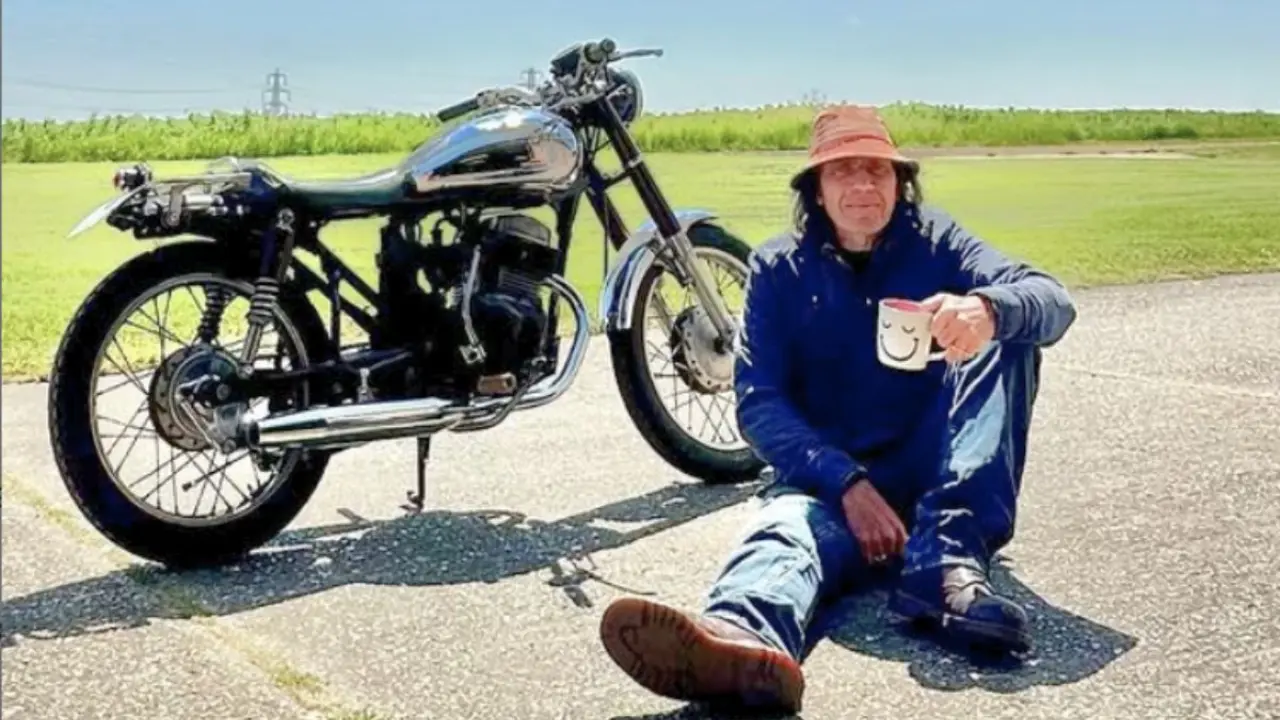
Motorcycle culture has a funny way of spreading names. Some builders stay local legends known only in workshop circles, while others become widely searched because their work keeps showing up in the places riders pay attention to: events, photos, enthusiast chatter, and televised builds. That’s where guy willison sits. People look him up because they want more than a quick bio. They want to understand what he actually does, what his style looks like, and why his builds feel different from the typical “custom” bike that’s all looks and no substance.
This article is written for everyday readers first. You don’t need deep technical knowledge to get value from it. If you’re a rider thinking about modifying your own bike, a fan of modern classics, or just curious about how professional-level customs come together, you’ll find practical takeaways here.
Who is guy willison?
guy willison is widely known in the UK motorcycle scene as a builder and designer connected to high-visibility custom work. What makes him stand out in public discussion is not only the finished bikes, but also the way his work is often described: clean, deliberate, and engineered with the real world in mind. In a space where many customs are built for photos and short-term hype, he is regularly associated with projects that aim to look right and ride right at the same time.
People usually discover him in one of two ways. Either they see a bike and want to know who built it, or they come across his name through motorcycle media and want to understand his reputation. That search behavior matters because it tells you what the audience wants: clarity, context, and details that help them judge quality.
Why his name is searched so much
Search interest around guy willison tends to spike for simple reasons. One, custom motorcycles are visual, and when a build looks unusually “complete,” people want the source. Two, many riders are tired of vague descriptions. They want specifics: what was changed, why it was changed, and what makes the end result feel premium rather than patched together. Three, there’s a growing crowd of riders who love classic style but still want reliability and usability. A builder linked to that balance naturally attracts attention.
Another reason is that custom work today is often treated like fashion. That’s not a bad thing, but it can lead to shallow builds that are more about appearance than function. Builders who consistently deliver well-finished, coherent projects become reference points. People look them up to compare standards.
The signature style people recognize
When riders talk about the kind of work linked to guy willison, the word that comes up again and again is cohesion. A cohesive build doesn’t feel like a pile of parts. It feels like a single idea. The tank line makes sense with the seat. The stance matches the vibe. The finish choices don’t fight each other. Even small things like indicators, lighting, and brackets appear intentional instead of being random purchases made late in the project.
That cohesion is why many of these bikes are described as “factory-like,” but in a good way. Not bland, not generic, just professionally resolved. It’s the difference between a bike that looks good in one photo angle and a bike that looks right from every angle, in daylight, parked next to stock motorcycles.
The invisible work that separates “nice” from “professional”
A custom motorcycle can look impressive even if the unseen parts are messy. That’s why experienced riders pay attention to details that don’t get a lot of screen time. Wiring that’s routed cleanly. Hardware choices that don’t corrode or clash. Mounts that don’t look like last-minute improvisations. Heat management that won’t melt parts after a few rides. These things don’t scream for attention, but they determine whether a bike stays enjoyable long-term.
This is where the reputation around guy willison often lands: an emphasis on the less glamorous side of building. It’s not just styling, it’s execution. For riders, this matters because a custom bike is still a motorcycle. It has to start, stop, turn, and survive real road use. A build that only works as a showpiece is a different product entirely.
Modern-classic taste without falling into clichés
Modern classic styling is popular because it taps into nostalgia without requiring the downsides of true vintage ownership. But it’s easy to fall into clichés: overly brown seats, unnecessary badges, mismatched retro parts, or the same paint schemes repeated endlessly. Good builders avoid this by focusing on proportion and line rather than decoration.
Many builds associated with guy willison are discussed as “simple” at first glance, but that’s usually a sign of careful restraint. Restraint is hard. It requires picking the right parts and then stopping before the bike becomes crowded. It also requires confidence in your design choices. When a builder doesn’t need to add extra noise, the main silhouette can carry the whole project.
What riders can learn before modifying their own bike
Even if you never plan to commission a professional build, there are useful lessons in how successful custom motorcycles are put together.
First, decide your goal before you buy anything. Are you building for comfort, for performance, for style, or for a mix? Most frustration comes from unclear goals. If you want a daily rider, you’ll make different choices than if you want a weekend show bike. When your goal is clear, it becomes easier to choose parts that match the plan.
Second, build around a clean visual line. Most great motorcycles have a line you can trace with your eye: from the front, through the tank, across the seat, to the rear. When that line is smooth and consistent, the bike looks “right” even before you notice the details. If the line is broken or awkward, no amount of expensive parts will fix the feeling.
Third, never treat finishing as an afterthought. Paint, powder coat, metal finishing, and fasteners are not just cosmetics. They reflect the quality of the work underneath. Many bikes look good until you get close. A well-finished build looks even better up close, and that’s often the difference between “cool” and “professional.”
How his work fits into today’s motorcycle culture
Custom culture is bigger than ever, and it’s no longer limited to hardcore builders. Plenty of riders now modify their bikes in small ways: lighting, bars, seats, exhausts, suspension. That growth creates two outcomes. It raises creativity, but it also floods the space with low-effort builds that copy trends.
In that environment, names like guy willison become important reference points for quality and coherence. When riders want to understand what “good taste” and “proper execution” look like, they search for builders with consistent results. This is also why readers benefit from informational content: it helps them understand what they’re seeing and how to judge it.
What to look for when evaluating any custom motorcycle
If you’re trying to learn from professional builds, use a simple checklist when you study photos or videos:
Look at stance first. Does the bike sit naturally, or does it look awkwardly lowered or lifted without purpose?
Then check the triangle: bars, seat, and pegs. Would a real rider be comfortable? Is the bike meant for the street or just for display?
After that, scan the finishing details: wiring visibility, bracket design, consistency of materials, and whether the small parts match the overall theme.
Finally, ask one question: does it look like one idea or five ideas at once? The best builds have a clear identity.
When you apply this method, you’ll understand why so many people keep searching for guy willison and similar builders. They help define what “complete” looks like in a world full of half-finished concepts.
Conclusion
The reason people keep searching for guy willison isn’t only curiosity about a name. It’s the search for a standard. In a crowded custom scene, riders want examples that feel intentional, usable, and well-finished. When a builder’s work repeatedly communicates those qualities, the name becomes a shortcut for quality in the public mind. If you take anything from this article, let it be this: great custom motorcycles aren’t only built from parts, they’re built from decisions, restraint, and detail work that holds up in real life.
FAQs
Who is guy willison best known as?
guy willison is best known as a UK motorcycle builder and designer associated with high-visibility custom projects. His name is often linked to clean styling and practical, rideable builds.
What style of bikes is he usually associated with?
He’s commonly associated with modern-classic and retro-inspired customs. These builds tend to focus on proportion, coherence, and finishing rather than loud trends.
Why do people say his bikes look “factory” in a good way?
Because cohesive builds can feel like something a manufacturer could have released. Clean lines, consistent details, and solid execution create that factory-resolved impression.
What can a beginner learn from studying professional custom builds?
Start with a clear goal, keep the design consistent, and prioritize finishing. Small details like hardware, wiring, and stance often matter more than expensive parts.
Is it possible to copy the look of high-end customs on a budget?
You can borrow the principles without copying every part. Focus on clean lines, restraint, and good finishing choices, and your bike can look far more premium than its cost.