









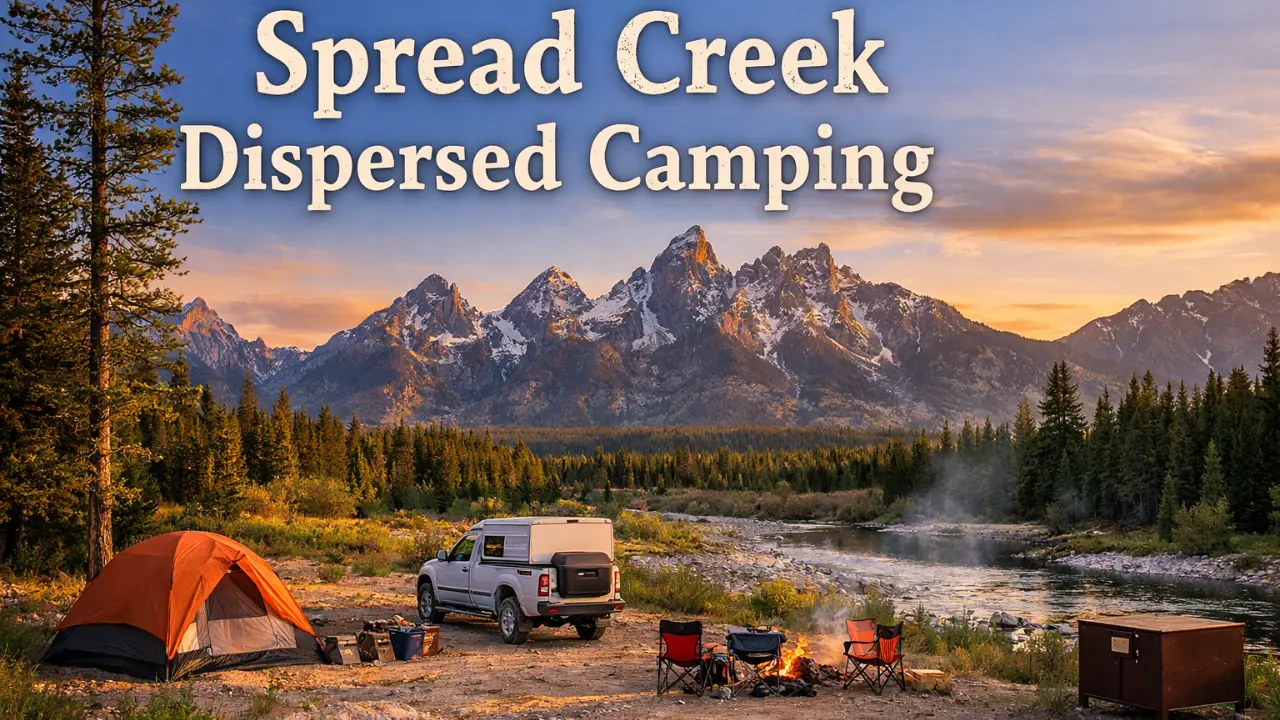
If you’re looking for a flexible, low-cost way to stay close to Grand Teton while still sleeping under real dark skies, spread creek dispersed camping is one of the names you’ll hear again and again. It’s popular for a reason: you’re near the park, surrounded by big scenery, and you can keep things simple without the structure of a developed campground. That said, it’s not the kind of place where you just “wing it” and hope for the best. The experience is best when you understand how dispersed sites work, what to pack, how to camp responsibly, and how to handle crowds during peak season.
This guide breaks down what to expect, how to plan, and how to avoid the common mistakes that can turn a great trip into a stressful one.
What Spread Creek Dispersed Camping Really Means
The phrase spread creek dispersed camping usually refers to a designated dispersed camping area outside Grand Teton National Park, where camping is allowed only in specific places rather than anywhere you feel like pulling over. People sometimes confuse dispersed camping with “camp anywhere,” but in busy regions near famous parks, the rules are often tighter to protect wildlife habitat, reduce trash problems, and prevent damage to fragile ground cover.
In practical terms, this type of camping is typically first-come, first-served. There are no reservations, no front desk, and no numbered check-in system. You arrive, find an open spot that is clearly used for camping, set up, and follow the local rules about length of stay, fires, waste, and food storage. The trade-off is worth it for many travelers: more freedom, fewer fees, and the chance to camp in a more natural setting.
Best Time of Year to Go
The best window for spread creek dispersed camping depends on what you want from the trip.
Late spring to early summer brings cool nights, muddy roads after rain, and fewer people if you arrive early in the season. Mid-summer is the busiest, with long daylight hours and warm afternoons, but also more traffic and greater competition for campsites. Late summer into early fall can be a sweet spot: nights get cooler, bugs often calm down, and the overall pace feels less hectic, especially after school schedules shift.
No matter the month, expect weather to change quickly. A sunny afternoon can turn into wind and rain without much warning. Planning for temperature swings is the difference between a cozy camp and a miserable one.
How to Find a Good Site Without Stress
Because spread creek dispersed camping is first-come, first-served, timing matters. The most common frustration is arriving late in the day and realizing most good sites are already taken. If you can, aim to arrive before mid-afternoon. Weekends fill faster than weekdays, and holiday periods can feel like a scramble.
When you’re scouting sites, focus on these practical details:
Space and surface: Choose a spot that’s already hardened and clearly used before. Avoid crushing new vegetation or making a new camp pad.
Wind exposure: Open areas can be beautiful, but they can also become wind tunnels at night.
Drainage: A site that looks fine in dry weather can become a puddle if it rains. Slightly elevated ground is your friend.
Privacy and noise: If you value quiet, avoid spots close to heavy vehicle traffic or popular pullouts.
With dispersed camping, a “good” site is often the one that fits your style, your vehicle, and the weather you’re dealing with that day.
What to Pack for a Smooth Experience
A big part of enjoying spread creek dispersed camping is being self-sufficient. Think of it as camping without built-in backups. If you forget something, it may not be a quick fix.
Here’s a strong baseline packing approach:
Sleep and shelter: A reliable tent or sleeping setup, stakes that can handle wind, a sleeping pad, and a bag rated for colder nights than you expect.
Food and water: Enough water for drinking and basic cleanup, plus a plan for storing food safely.
Lighting and power: Headlamps, spare batteries, and a way to charge essentials if you rely on a phone for maps.
Waste and hygiene: Trash bags, hand sanitizer, a small shovel or toilet kit if needed, and any toiletries you can keep contained and scent-managed.
Weather layers: A warm layer, rain protection, and a hat even in summer.
Navigation basics: Offline maps downloaded before you lose signal, and a simple understanding of how to get back to paved roads.
Being prepared doesn’t mean bringing everything. It means bringing the right things so your camp stays safe, clean, and comfortable.
Food Storage and Wildlife Awareness
This region is wildlife country. You don’t want your trip remembered for the wrong reason, and the animals don’t deserve to be trained to associate campsites with food. Whether you’re in a tent or a vehicle, treat food storage as non-negotiable.
Keep food and scented items secured. That includes snacks, cooking oils, toothpaste, and even scented wipes. Cook and clean with intention. Don’t leave dishes out. Don’t toss food scraps into the bushes. The most responsible campers are the ones who make it easy for wildlife to stay wild.
If you’re new to camping in bear country, the simplest mindset is this: anything that smells like something a human eats should be treated like food.
Fires, Cooking, and Camp Comfort
Many people imagine a campfire as part of the experience, but in popular camping zones, fire rules can shift based on conditions. Some seasons allow them, some restrict them, and some temporarily ban them. Even when a fire is allowed, it should be small, controlled, and fully extinguished. Wind can turn a normal evening into a risky one fast.
If you want the easiest and least stressful approach, cook on a camp stove and treat a fire as optional rather than essential. You’ll still get the camping feeling without worrying about smoky clothes, unpredictable wind, or the work of finding safe wood.
How to Handle Crowds and Etiquette
Because spread creek dispersed camping is well-known, it can feel busy. The way campers behave determines whether the area stays open and enjoyable. Good etiquette isn’t about being perfect. It’s about being considerate and leaving less impact than you found.
Keep noise low, especially at night.
Use existing sites rather than expanding into new ground.
Pack out every piece of trash, including tiny scraps that blow away.
Don’t wash dishes or yourself directly in streams or water sources.
Be mindful with lights after dark. Bright LEDs can ruin the night sky for everyone nearby.
If you treat the area with respect, you’re not just being polite. You’re helping protect access for the next season.
Common Mistakes First-Timers Make
A lot of people try spread creek dispersed camping for the first time because they want freedom and low cost, but they underestimate what “dispersed” really requires. These are the most common mistakes:
Arriving too late and hoping for an empty site.
Assuming there will be toilets, water, or trash service nearby.
Leaving food or scented items unsecured.
Forgetting how cold nights can get, even after warm days.
Creating a new site when an established one is available.
Leaving behind micro-trash like bottle caps, foil, or food wrappers.
Avoid these, and your trip becomes simpler, calmer, and far more enjoyable.
A Simple Trip Plan That Works
If you want a stress-free first stay, use a basic plan:
Arrive early in the day and be willing to check a few sites.
Set up camp before evening wind and weather changes.
Keep dinner simple and cleanup tight.
Spend your day exploring, then return with enough daylight to settle in.
Keep your camp organized so nothing gets left behind.
This approach fits the reality of busy seasons and still gives you that relaxed, outdoorsy feeling you’re aiming for.
Why People Keep Choosing This Area
It’s not just about saving money. Spread creek dispersed camping appeals to people who like independence. You can wake up without campground noise, tailor your trip day by day, and keep your routine simple. For some, it’s a way to travel longer. For others, it’s the closest thing to “real camping” they can get near an iconic destination.
Most visitors who love it don’t love it because it’s perfect. They love it because it feels like a genuine outdoor experience that rewards good planning and respectful habits.
Conclusion
Spread creek dispersed camping can be an amazing way to stay close to Grand Teton while keeping your trip flexible and grounded in nature. The key is to treat it like a real backcountry-style experience: arrive early, come prepared, store food responsibly, follow local rules, and camp in a way that protects the area. If you do that, you’ll understand why so many travelers return to spread creek dispersed camping year after year, not just for the views, but for the freedom and simplicity it offers.
FAQs
Is spread creek dispersed camping free?
In most cases, dispersed camping areas do not charge a nightly fee, but rules can vary by location. Always plan to be self-sufficient since services are limited.
Do I need a reservation for spread creek dispersed camping?
No, it’s typically first-come, first-served. Arriving earlier in the day increases your chances of finding a good open site.
Are there bathrooms at spread creek dispersed camping?
Dispersed camping usually has little to no facilities. Bring a plan for hygiene and waste, and follow responsible camping practices.
Is spread creek dispersed camping safe for families?
It can be, as long as you prepare well and take wildlife precautions seriously. Keep food secured and choose a site that feels comfortable and stable.
What should I do if all sites are full?
Have a backup plan before you arrive, including alternative camping areas or a different night’s strategy. Flexibility is part of successful dispersed camping.