









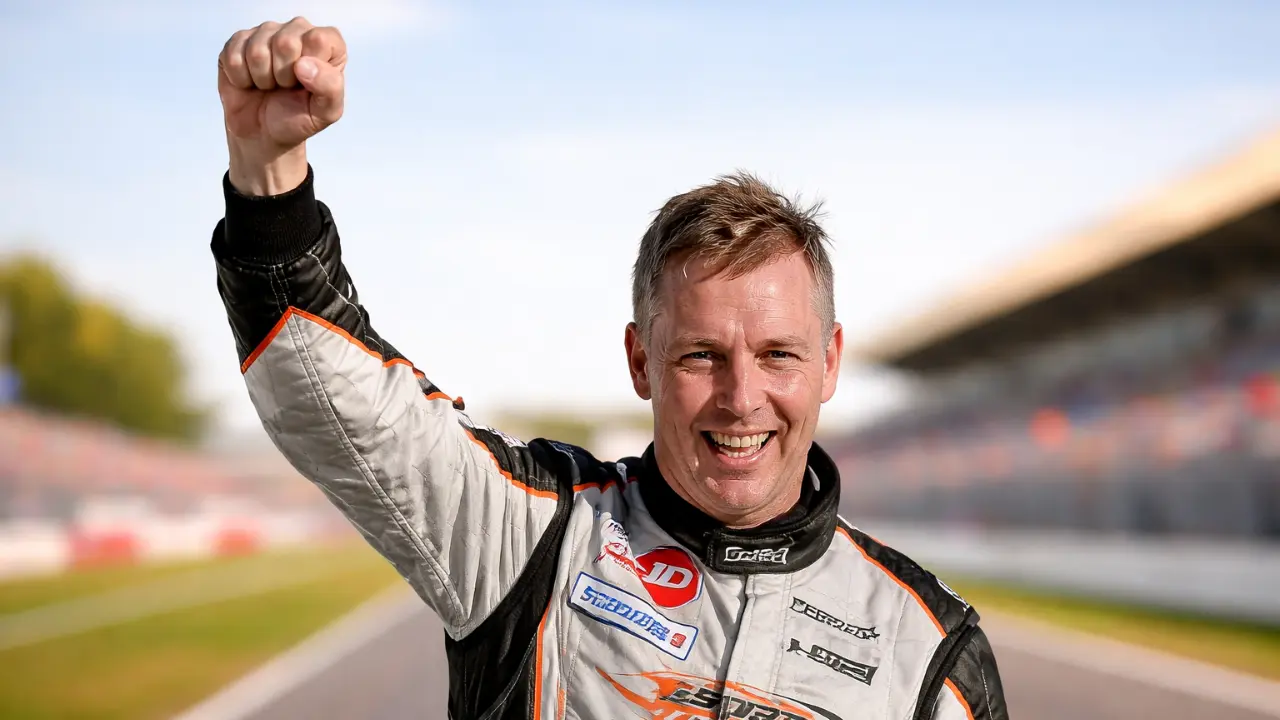
If you’ve spent time around Volkswagen and Audi enthusiast circles, you’ve probably heard the name jeroen dik come up in the same breath as clean power gains and dependable results. That reputation didn’t appear by accident. It’s tied to a very specific kind of performance culture: one that values drivability, consistency, and careful engine management instead of chasing numbers that only look good on paper. In this article, you’ll learn what jeroen dik is known for, why JD Engineering became closely associated with VW Group tuning, and what “good tuning” actually means when you want a car that stays enjoyable for months and years—not just one exciting weekend.
Who jeroen dik is known as in the car community
Across motorsport records and long-running enthusiast coverage, jeroen dik is most commonly referenced as the person behind JD Engineering, a workshop recognized for tuning and calibration work on Volkswagen Group vehicles. JD Engineering’s own site describes a clear specialty: tuning for Volkswagen, Audi, SEAT, Škoda, and Porsche platforms, with a focus on custom solutions rather than one-size-fits-all files.
Enthusiast media has also described JD as standing for his name and portrays him as highly respected inside the scene, with a reputation built on results and deep technical skill.
What JD Engineering actually does
When people say “tuning,” they can mean anything from basic add-on parts to complex engine rebuilding. In the context of JD Engineering, the most consistent description is ECU calibration and related performance development on modern turbocharged cars. Their own pages talk about tuning packages developed on standard cars, then optimized per vehicle and checked during real driving. That detail matters because it points to a process: testing, adjusting, and validating how the car behaves under load rather than relying on a generic file.
This is a big reason many owners associate jeroen dik with reliability-focused performance. You’re not just paying for “more power,” you’re paying for a tune that fits your car’s condition, hardware, and goals.
Why VW Group cars respond so well to tuning
Volkswagen Group platforms are popular with tuners because many engines are turbocharged and managed by sophisticated ECUs that can be recalibrated carefully. When done responsibly, tuning can improve torque delivery, sharpen throttle response, and make the car feel more flexible in everyday driving. The key word is responsibly. Extra torque can stress the drivetrain, extra heat can stress cooling, and poor calibration can cause knock or overly lean conditions. That’s why workshops that focus on balanced outcomes tend to build longer-lasting trust in the community.
How ECU tuning works in plain language
Think of the ECU as a decision-maker. It constantly reads sensors and decides how much boost to request, how much fuel to inject, and when to fire the spark. A tune adjusts those decision tables so the engine can safely make more power and respond differently to the driver’s inputs.
A careful calibration typically pays attention to things owners actually feel: smooth part-throttle behavior, stable power delivery across gears, and predictable acceleration without sudden spikes. People who follow jeroen dik’s work often talk about that “factory-plus” feel—stronger than stock, but not rough or unstable.
A performance approach shaped by motorsport
One reason certain tuners stand out is that motorsport forces the truth. Heat, repeated hard laps, and long pulls expose weak setups quickly. Racing records show a Dutch driver profile for jeroen dik with notable results in diesel touring car competition, including a first-place season in the Toerwagen Diesel Cup in 2011 while associated with JD Engineering.
JD Engineering’s own contact/news content also references him as a champion in that same 2011 series, reinforcing that this isn’t just community rumor—it’s part of how the brand presents its history.
Whether you personally care about racing or not, that background signals a mindset: builds and calibrations should hold up when pushed.
The “Tuning Yoda” nickname and what it really implies
A funny nickname can still carry meaning. An enthusiast feature from Speedhunters described JD Engineering’s founder as being so respected that some people called him “Yoda” because of his skill extracting the maximum from engines.
That kind of label doesn’t usually come from marketing. It comes from repeated experiences—owners driving tuned cars, comparing notes, and recognizing when someone’s work feels consistently refined. If you hear jeroen dik mentioned with that sort of tone, it’s usually because drivers associate the name with knowledge, patience, and methodical problem-solving rather than flashy promises.
What owners should understand before tuning any car
Even the best tune can’t rescue a car that’s already struggling. If your spark plugs are weak, coils are failing, fuel pressure is unstable, or there’s a boost leak, tuning can make symptoms worse. A healthy tuning process usually starts with diagnosis and maintenance: making sure the engine is sound, sensors behave correctly, and the car can handle extra torque without slipping or overheating.
This is also where realistic expectations help. A tune won’t turn every car into a track monster. What it can do—when done properly—is make the car feel sharper, stronger, and more responsive in the places you actually drive.
Common myths people believe about tuning
Myth 1: All tunes are basically the same
They’re not. A tune that feels okay for one car can feel wrong on another, even if the engines match. Differences in hardware condition, fuel quality, and supporting mods change what’s safe and what’s smooth.
Myth 2: Peak horsepower is the only thing that matters
In real life, the torque curve and the way power arrives often matter more. A car that makes slightly less peak power but delivers it smoothly can feel faster and be easier to control.
Myth 3: Tuning always ruins reliability
Bad tuning can, but responsible tuning tries to protect reliability by respecting temperatures, knock behavior, fueling safety, and drivetrain limits. The reason many people mention jeroen dik positively is because the public reputation around JD Engineering is tied to that kind of practical balance.
How to research jeroen dik without getting misled
Online, you’ll find a mix of solid references and low-quality “biography” pages that repeat each other. If you want dependable signals, prioritize sources with trackable credibility: established motorsport databases, long-standing enthusiast outlets, and official business pages. In this case, those are the types of sources that repeatedly connect jeroen dik to JD Engineering and to documented racing results.
Also, remember that name overlap happens. If you see “Jeroen Dik” in a completely different profession, it may be a different person. For this article, we’re focused on the automotive identity most consistently supported by reputable references.
Why this story matters to everyday drivers
It’s easy to think tuning is only for people chasing extreme builds. In reality, the most valuable tuning often serves normal drivers: someone who wants safer overtakes, smoother highway pulls, and a more responsive car in daily traffic. That’s why the interest in jeroen dik isn’t only about racing. It’s also about a tuning philosophy that tries to keep cars enjoyable, predictable, and practical.
Conclusion
The reason jeroen dik remains a searched name is simple: enthusiasts tend to remember work that feels right long after the excitement of “new power” fades. A reputation built around refined drivability, careful calibration, and results proven both on the road and in competition tends to last. If you’re learning about tuning or considering upgrades for a VW Group car, this story is a reminder that the best performance changes are the ones that still feel smooth, consistent, and trustworthy after the novelty wears off.
FAQs
Who is jeroen dik in the car world?
He is most commonly known as the founder behind JD Engineering, associated with VW Group ECU tuning and motorsport results.
What cars are JD Engineering most associated with?
They specialize in Volkswagen Group brands such as Volkswagen, Audi, SEAT, Škoda, and Porsche.
Did jeroen dik compete in motorsport?
Racing records show results for him in Dutch diesel touring competitions, including a 2011 championship in the Toerwagen Diesel Cup.
What does a good ECU tune improve?
A good tune can improve torque delivery, throttle response, and overall drivability while keeping safety limits in mind.
Is tuning safe for daily driving?
It can be, if the car is maintained well and the calibration is built with reliability, heat control, and fueling safety in mind.