









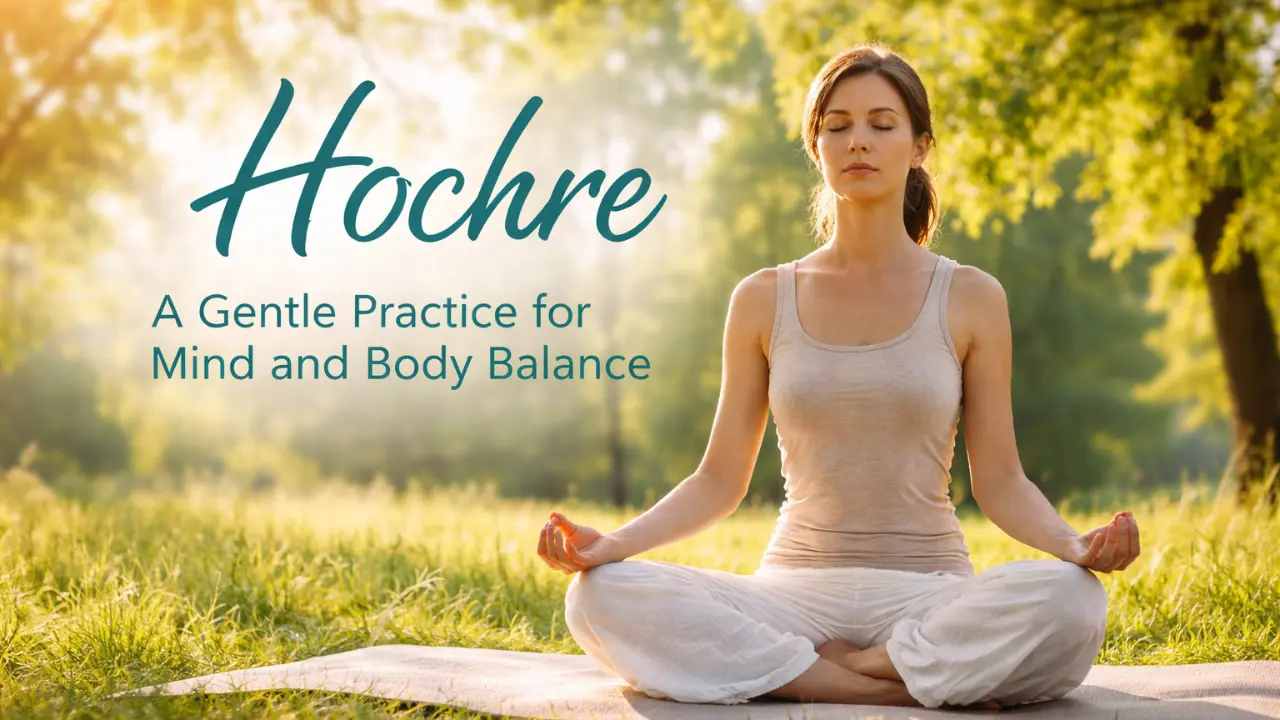
In today’s fast-moving world, many people feel constantly pulled in different directions. Long working hours, digital overload, and daily responsibilities can leave the mind restless and the body tense. As a result, there is growing interest in simple practices that help restore balance without adding more pressure. This is where hochre is gaining attention. It is a calm, holistic routine designed to support mental clarity, physical comfort, and emotional steadiness through simple, repeatable actions that fit easily into everyday life.
Hochre does not aim to change who you are or force dramatic results. Instead, it helps you reconnect with your body and mind in a natural way. By combining slow breathing, gentle movement, focused attention, and reflection, it offers a grounded approach to well-being that feels realistic and sustainable.
Understanding Hochre and Its Purpose
Hochre is a holistic practice that focuses on the connection between the mind and the body. Its main purpose is to help people slow down and become more aware of how they feel physically and mentally. Rather than separating mental health and physical health, hochre treats them as parts of the same system.
What makes this practice appealing is its simplicity. There are no strict rules, no required equipment, and no advanced techniques to memorize. People can adapt the routine based on their comfort, energy level, and available time. This flexibility makes hochre suitable for beginners and for those who have tried other wellness methods but found them difficult to maintain.
How Hochre Supports the Mind and Body
Stress often shows up in the body before we fully notice it in our thoughts. Tight shoulders, shallow breathing, and constant fatigue are common signs. Hochre works by addressing these signals gently. Slow breathing helps calm the nervous system. Soft, controlled movements reduce muscle tension. Focused attention keeps the mind from drifting into worry. Reflection creates awareness that lasts beyond the session.
Over time, these elements help create a steady internal rhythm. The body learns how calm feels, and the mind becomes more familiar with clarity instead of constant noise. This process is gradual, which is why many people describe hochre as supportive rather than overwhelming.
Key Elements That Form the Hochre Practice
Hochre is built on a small number of elements that repeat in each session. These elements are simple, but together they create a complete experience.
Breathing is the foundation. Slow, steady breathing helps relax the body and guides attention inward.
Gentle movement supports comfort and mobility. Movements are smooth and controlled, helping release tension without strain.
Focused awareness keeps the mind present. Attention is placed on physical sensations or breathing instead of external distractions.
Reflection allows the individual to pause and notice changes in mood, energy, and clarity.
These elements work best when practiced together. There is no need to rush through them or perform them perfectly. The value comes from consistency and awareness.
Hochre in Daily Life and Modern Routines
One of the strongest advantages of hochre is how easily it fits into daily life. It can be practiced in the morning to start the day calmly, during a work break to reduce stress, or in the evening to unwind. Even a few minutes of practice can help reset the mind and body.
People with desk jobs often find it helpful for relieving stiffness and mental fatigue. Those with busy schedules appreciate that it does not require a special location or preparation. Because hochre adapts to everyday routines, it becomes easier to practice regularly, which is key for long-term benefits.
A Simple Hochre Routine for Beginners
For those new to hochre, following a clear and simple structure can make the practice more comfortable and effective.
Begin by sitting or standing comfortably and breathing slowly for a few minutes. Let the breath flow naturally without forcing it.
Introduce gentle movements such as shoulder rolls, arm circles, or slow neck movements. Keep the motions relaxed and smooth.
Bring attention to the body. Notice areas that feel tense and allow them to soften as you continue breathing.
Finish with a short pause. Stay still for a moment and observe how your body and mind feel before returning to your activities.
This routine can last from ten to twenty minutes, but shorter sessions can also be useful. What matters most is practicing regularly rather than focusing on time length.
Mental Wellness Benefits of Hochre
Hochre supports mental wellness by creating space between thoughts. When attention is focused on breath and movement, the mind slows down naturally. Many people notice improved concentration, reduced mental clutter, and a calmer emotional state over time.
Another benefit is emotional awareness. By paying attention to physical sensations, people become more aware of their emotions without being overwhelmed by them. This can lead to healthier responses to stress, improved communication, and greater emotional stability in daily situations.
Physical Wellness and Body Awareness
While hochre is not a high-intensity exercise, it still offers meaningful physical benefits. Gentle movement helps improve mobility and reduces stiffness, especially in areas affected by prolonged sitting. Over time, posture awareness often improves as people become more conscious of how they hold their bodies.
The practice also supports relaxation in muscles that carry stress, such as the neck, shoulders, and lower back. Because the movements are adaptable, people of different ages and physical abilities can practice hochre comfortably.
Hochre as a Tool for Stress Relief
Stress can build quietly throughout the day, affecting mood, focus, and energy. Hochre provides a simple way to release that tension before it becomes overwhelming. Slow breathing signals the body to relax, while focused movement helps discharge physical stress.
Many people find that even a brief session during a busy day helps them feel more centered. This makes hochre a practical option for managing everyday stress without needing long breaks or special conditions.
Why People Continue Practicing Hochre
People often stay with hochre because it feels realistic. It does not demand perfection or strict discipline. Instead, it encourages consistency, comfort, and self-awareness. As a result, progress feels natural rather than forced.
With time, practitioners may notice improved energy, better focus, reduced tension, and a more balanced emotional state. These gradual changes help build trust in the practice and motivate long-term use.
Hochre and Focused Productivity
A calm mind supports effective work. Hochre helps reduce mental fatigue and improve attention by calming internal distractions. When the body is relaxed, the mind can focus more easily on tasks.
Some people use short sessions between work periods to reset their focus. This approach can improve productivity without increasing pressure, making tasks feel more manageable and organized.
Avoiding Common Beginner Mistakes
Beginners sometimes try to control breathing too tightly or move too quickly. Hochre works best when practiced gently and patiently. Breathing should remain natural, and movements should stay within a comfortable range.
Another common challenge is expecting instant results. The benefits of hochre build gradually through regular practice. Each session contributes to long-term well-being, even if changes feel subtle at first.
Conclusion: The Value of Hochre in Balanced Living
Hochre is a gentle, holistic practice that supports mental clarity, physical comfort, emotional awareness, and stress relief. By combining slow breathing, mindful movement, focused attention, and reflection, it offers a practical approach to well-being that fits modern lifestyles. Its flexibility and simplicity encourage consistency, which allows benefits to grow steadily over time. For anyone seeking balance without pressure or complexity, hochre provides a calm and reliable path toward healthier living.
FAQs
What is hochre mainly used for?
Hochre is used to support relaxation, mental clarity, stress management, and gentle physical comfort.
How often should hochre be practiced?
Many people practice daily, but even a few sessions each week can be beneficial.
Is hochre suitable for beginners?
Yes, hochre is beginner-friendly and can be adapted to different comfort levels.
Can hochre help with work-related stress?
Yes, short sessions can help reduce tension and improve focus during busy workdays.
Does hochre require special equipment?
No, hochre can be practiced without any equipment in any quiet space.